
How Many Steps Do You Really Need to Stay Healthy?

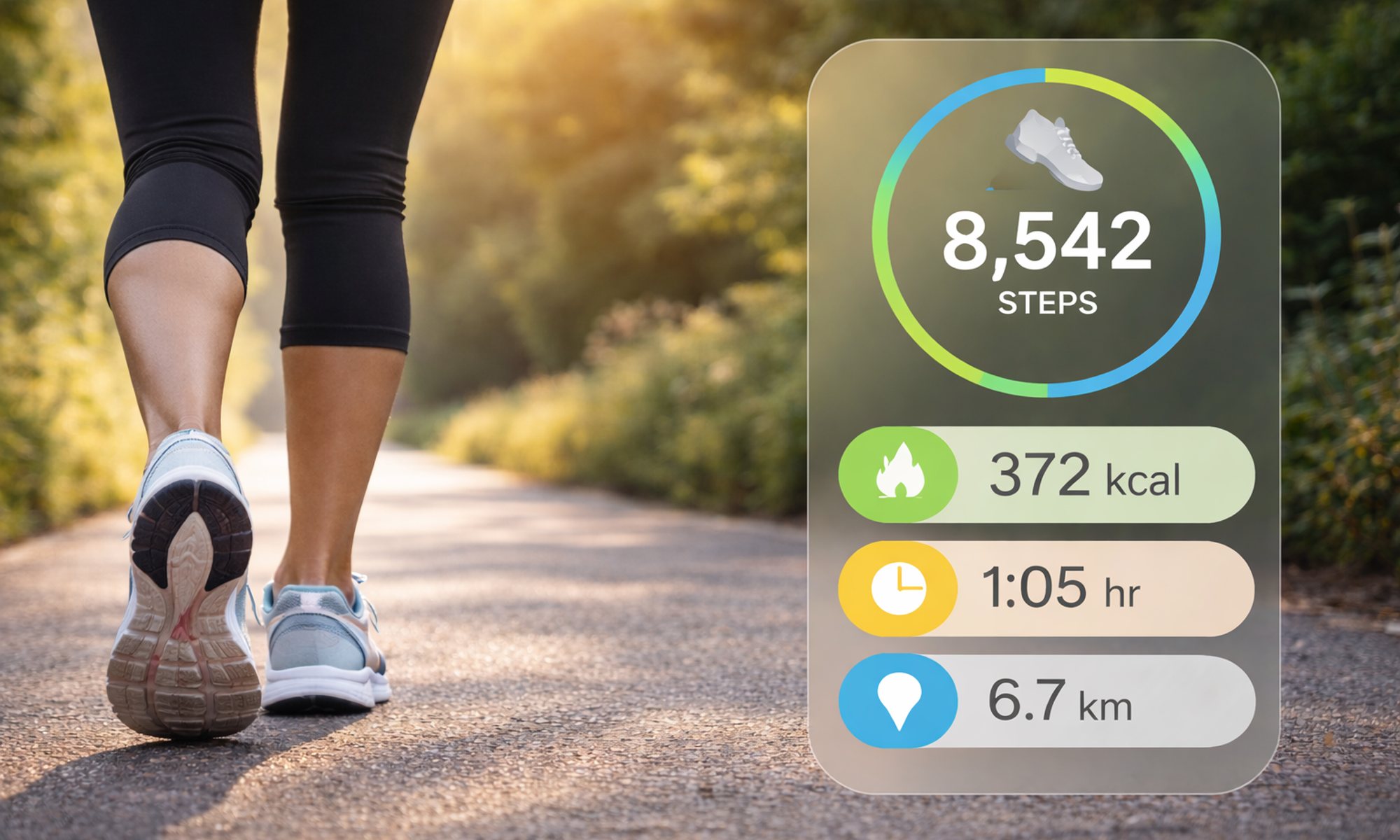
Somewhere along the way “10K steps a day” became the gold standard. Most people don’t even know where it came from, they just know they’re supposed to hit it. But the truth is, your body doesn’t work with a fixed number like that. It responds to how much you move compared to how much you don’t.
If most of your day involves sitting, even a small increase in steps can make a difference. Going from barely 3K steps to 6K isn’t small for your body, it’s a shift. You may notice better energy, less stiffness, even improved sleep. As your movement increases, so do the benefits. Around 7K–8K steps, you’re generally in a range that supports heart health and overall activity levels. Going beyond that can help, but only if it fits into your routine without feeling forced. Because that’s where people often get stuck, chasing 10K steps just to see a number on their screen, even if it means pacing around at night or forcing walks when they’re already tired.
Movement should feel like part of your day, not a task you’re trying to tick off. Walking a little faster, taking stairs, stepping out more often, these things add up more naturally than one long, forced walk.And steps are just one part of the picture. If the rest of your day is inactive, or if sleep and nutrition are off, hitting a number won’t balance that out.
So instead of asking, “Did I hit 10K today?” a better question is "did I move more than I usually do?" That’s where real change starts.